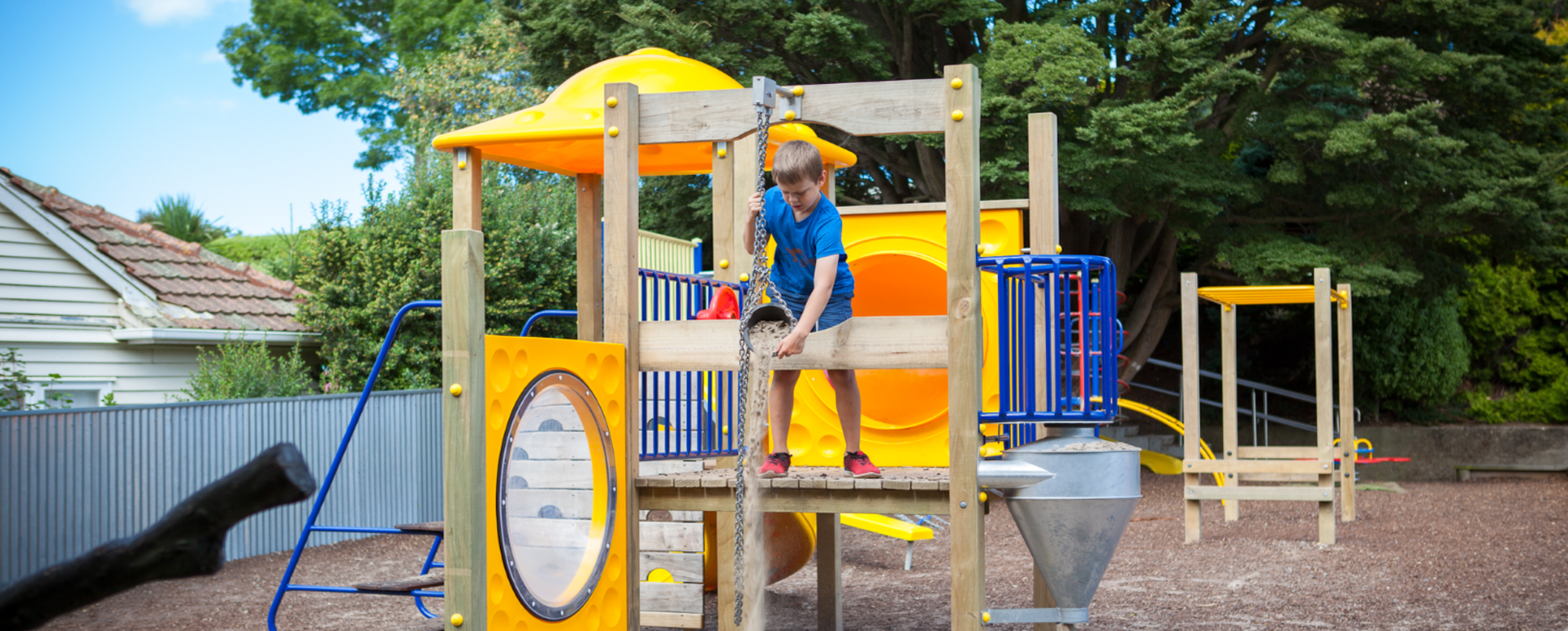
Playgrounds for Councils and Organisations
Council playgrounds, also known as public playgrounds managed by local councils, play a pivotal role in community development and well-being. They serve as accessible spaces for children and families to engage in physical activity, socialize, and enjoy the outdoors. These playgrounds are often situated in public parks, near community centers, or in urban green spaces, making them integral to the urban landscape.
Key Features of Council Playgrounds
Accessibility and Inclusivity: Council playgrounds are designed to be accessible to children of all abilities, including those with physical or sensory impairments. This may involve the incorporation of wheelchair-accessible paths, sensory play equipment, and inclusive play structures that allow children of all abilities to play together.
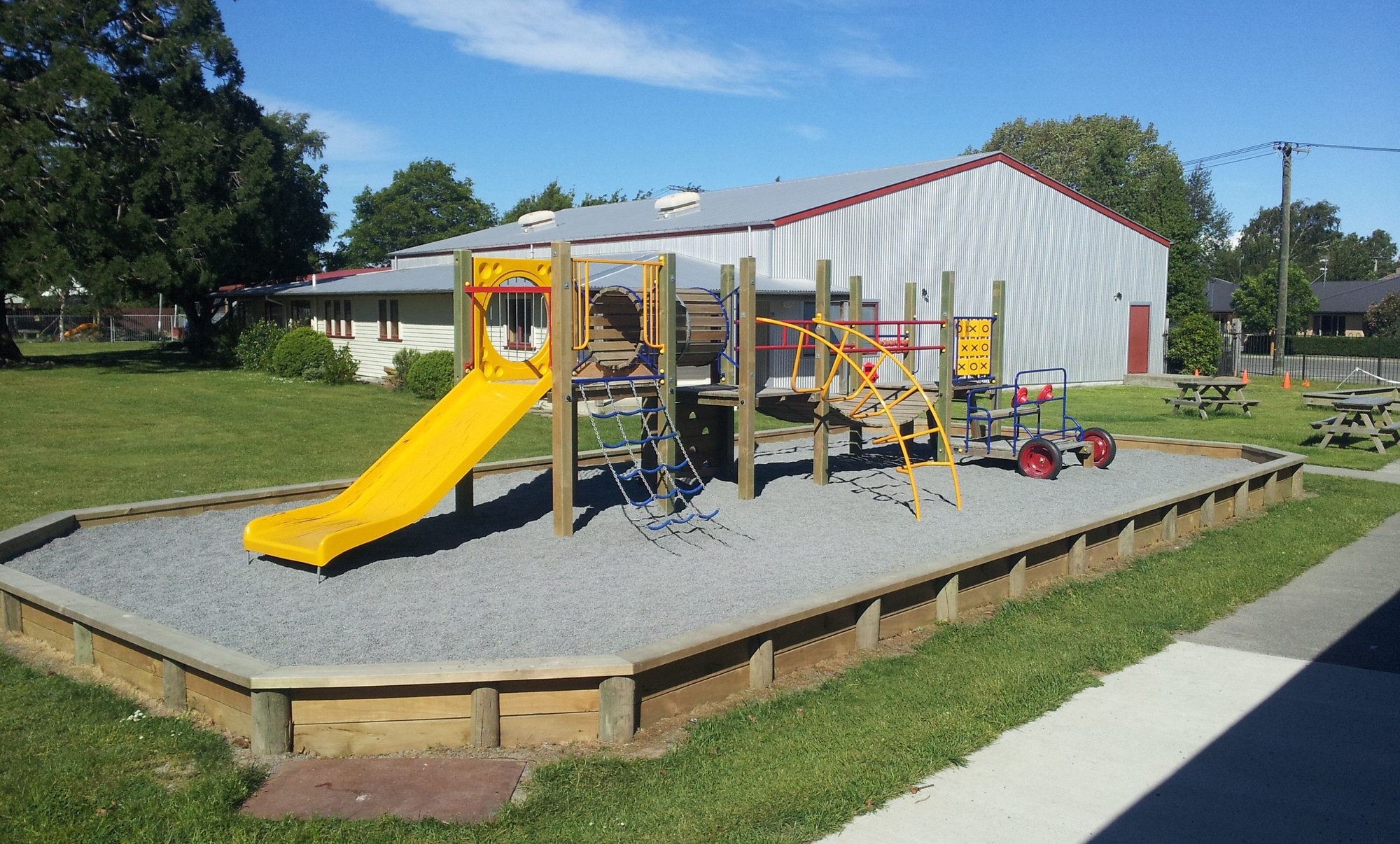
Safety Standards: They adhere to strict safety standards to minimize the risk of injury. This includes the use of soft landing materials, such as rubber mulch or sand, regular maintenance checks, and the design of equipment to prevent accidents.
Age-Appropriate Areas: Many council playgrounds feature separate areas or equipment for different age groups, such as toddlers and older children, to ensure play is safe and enjoyable for all.
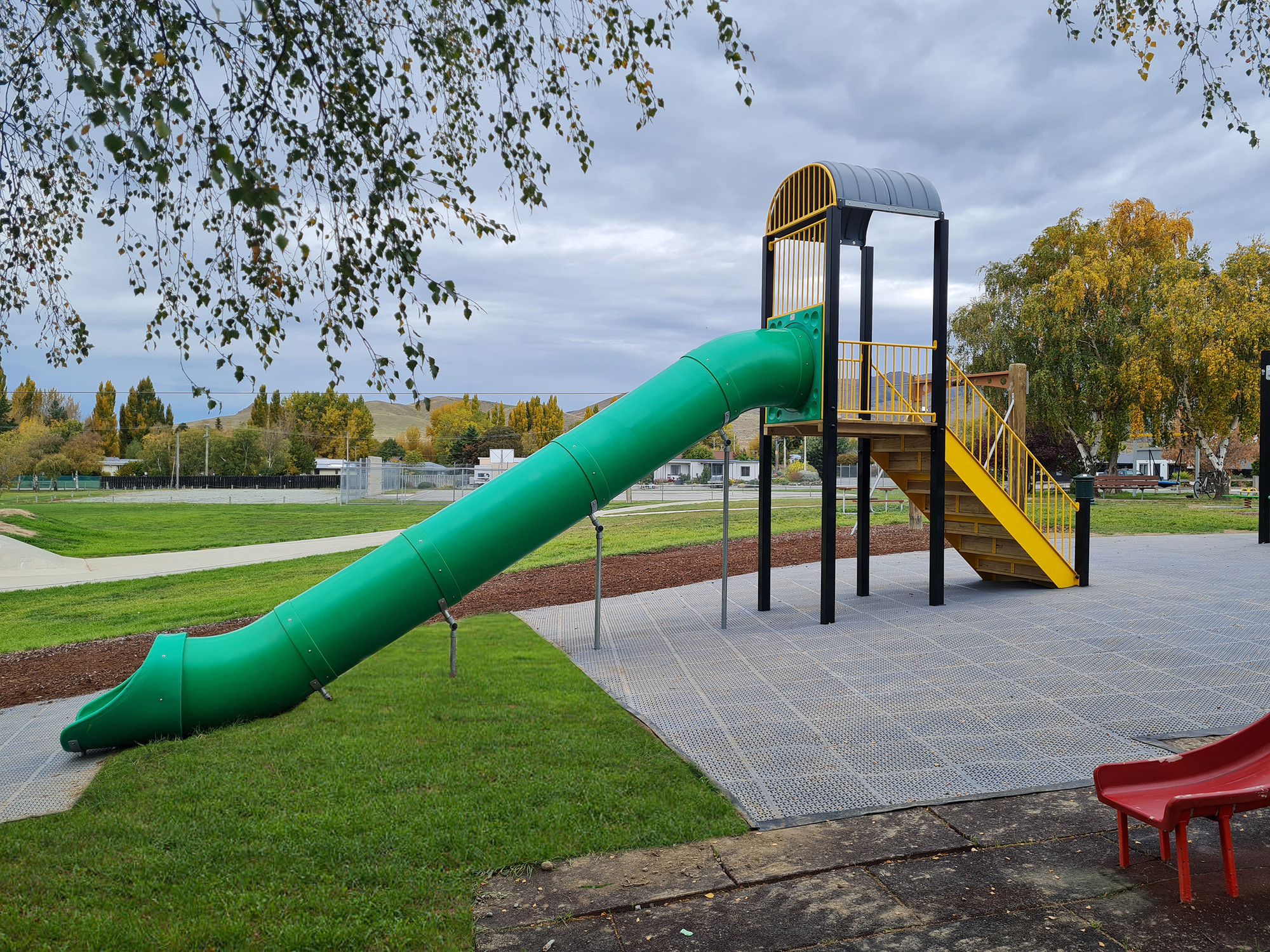
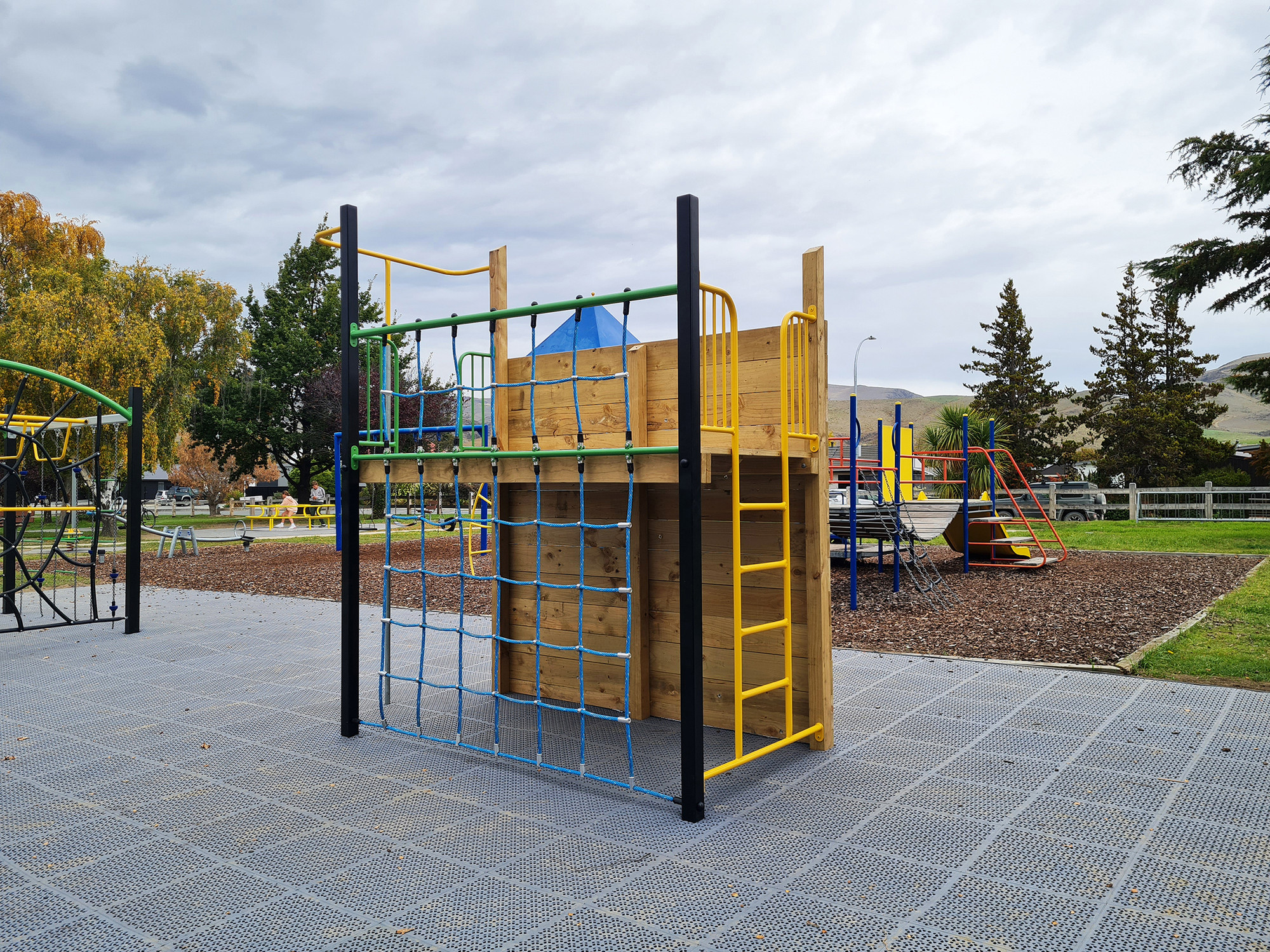
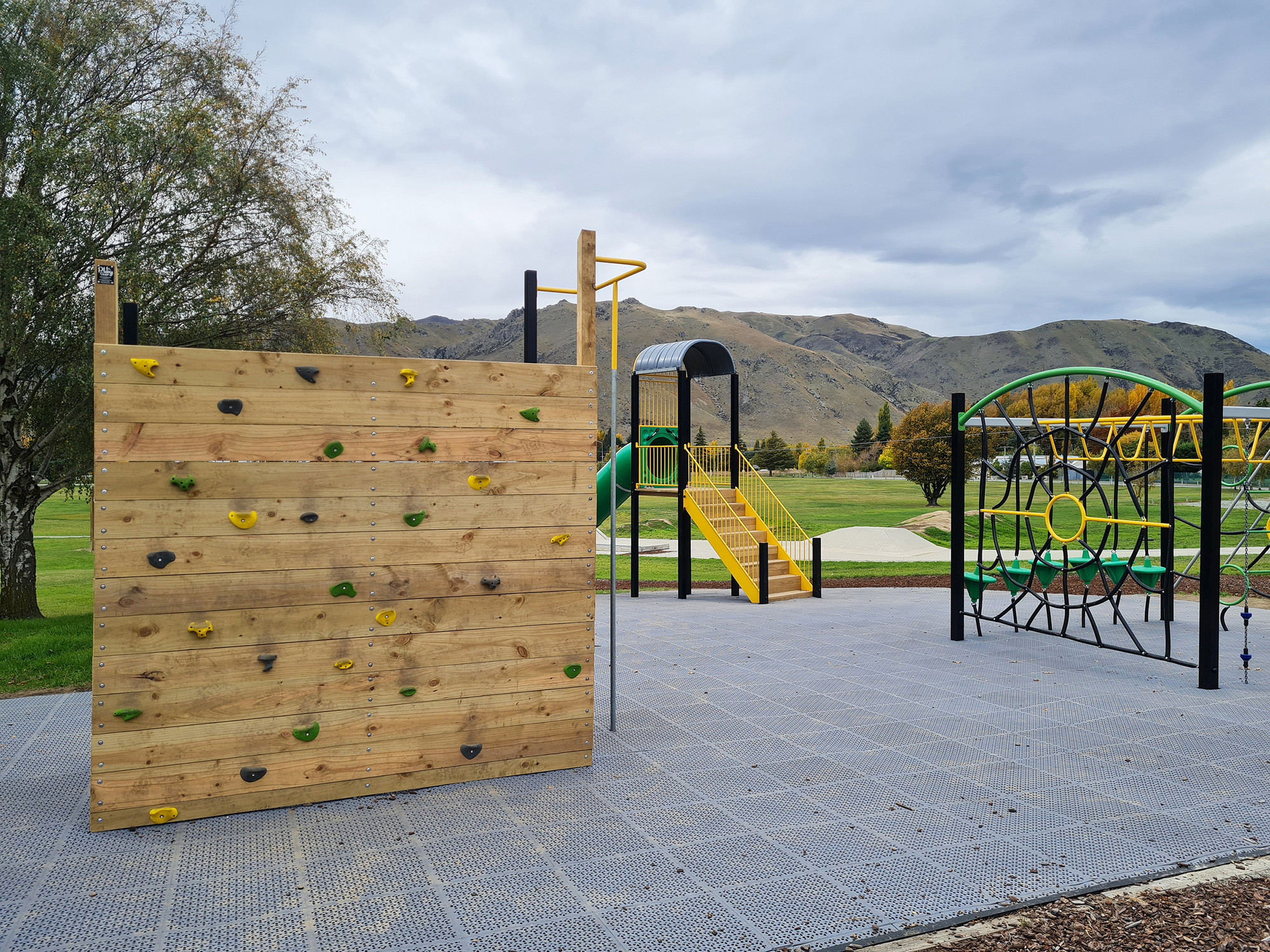
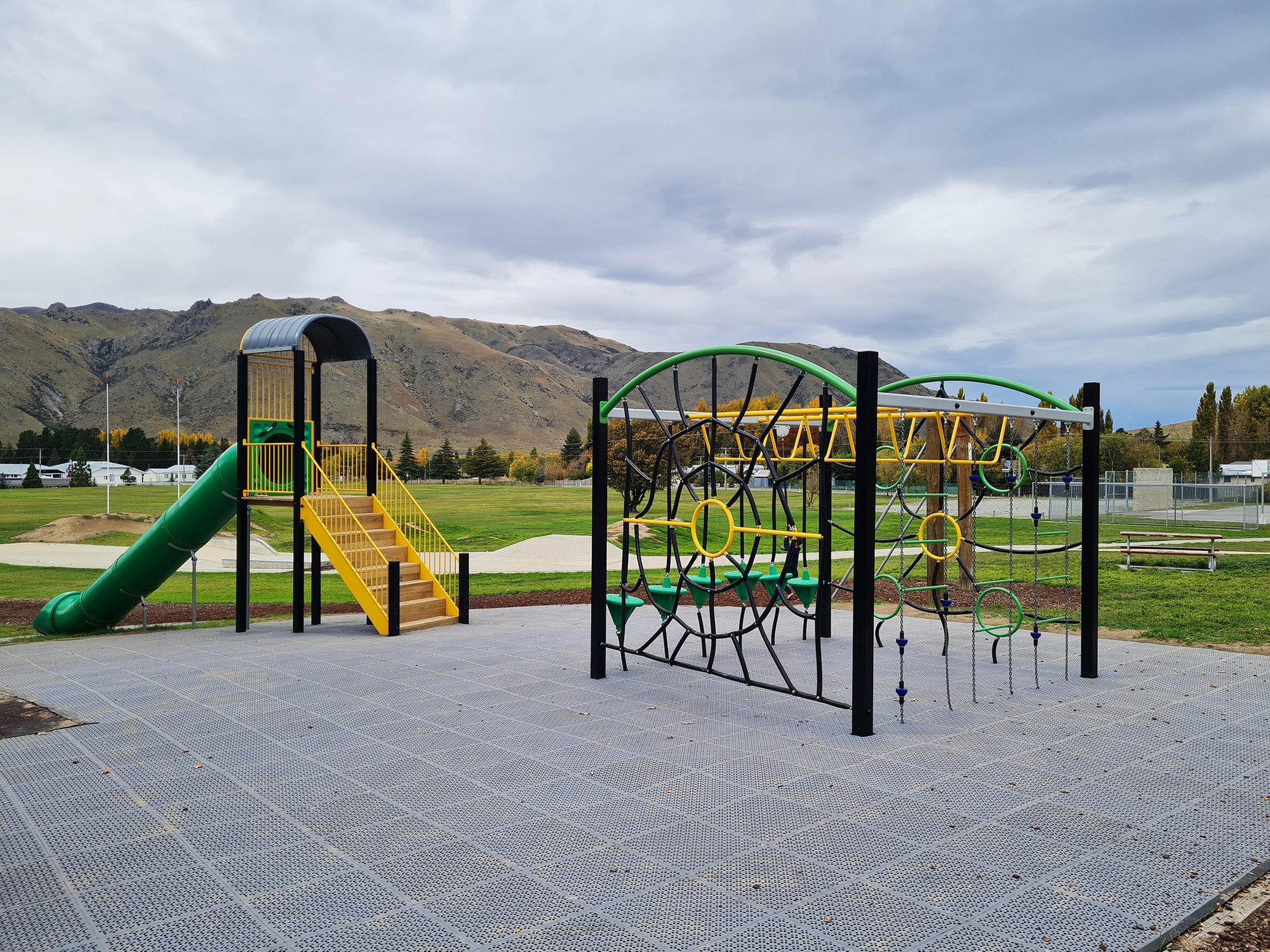
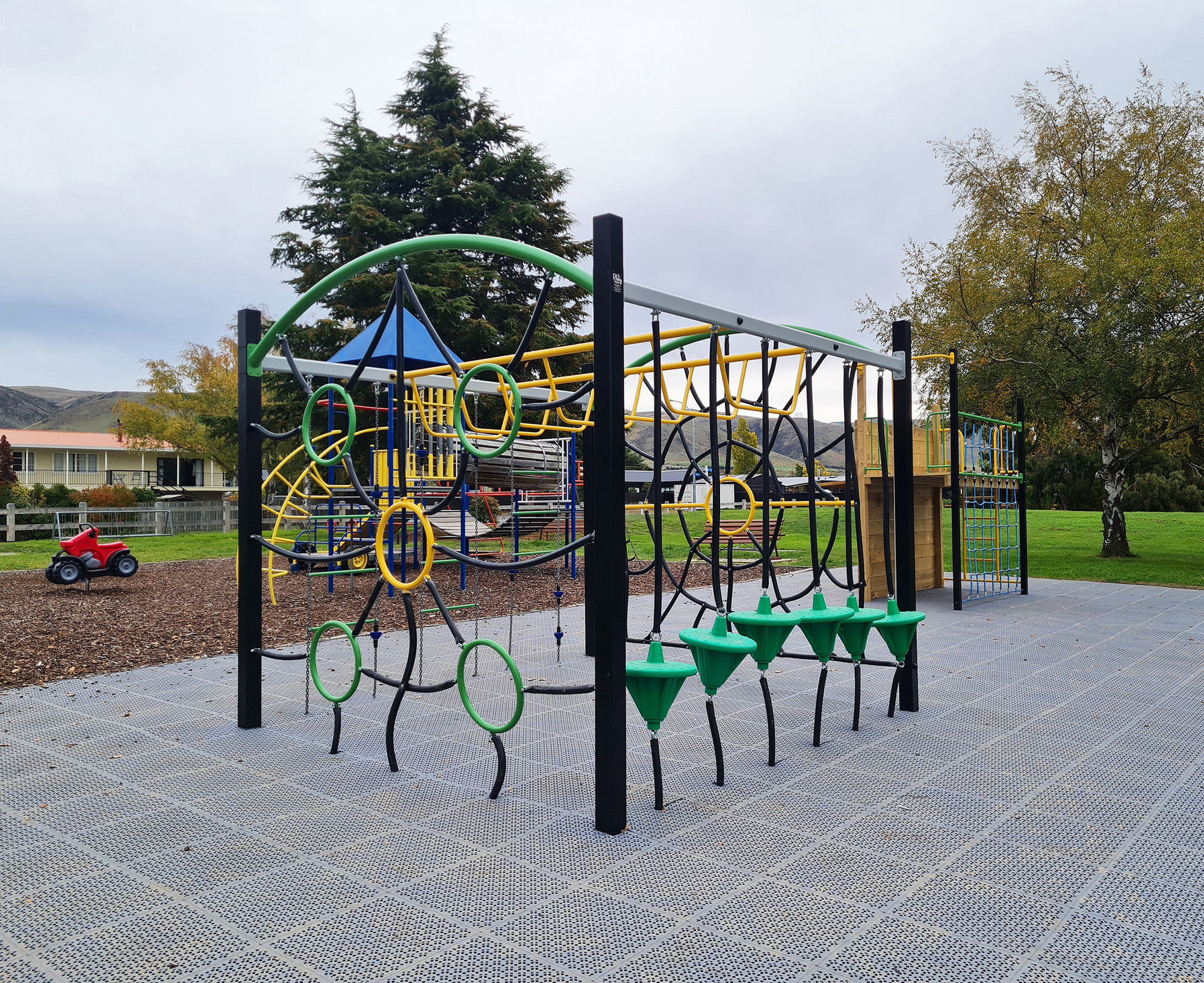
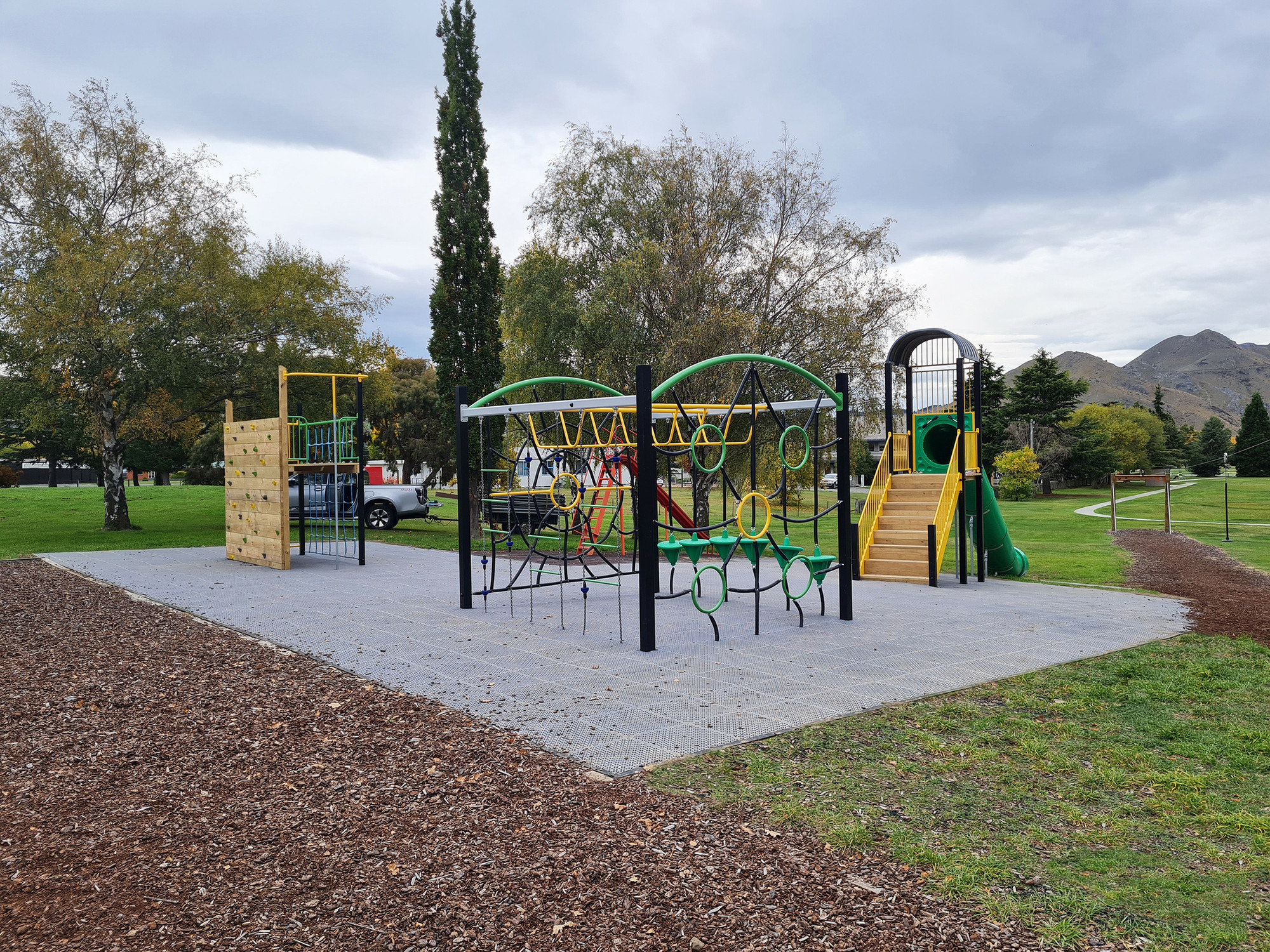
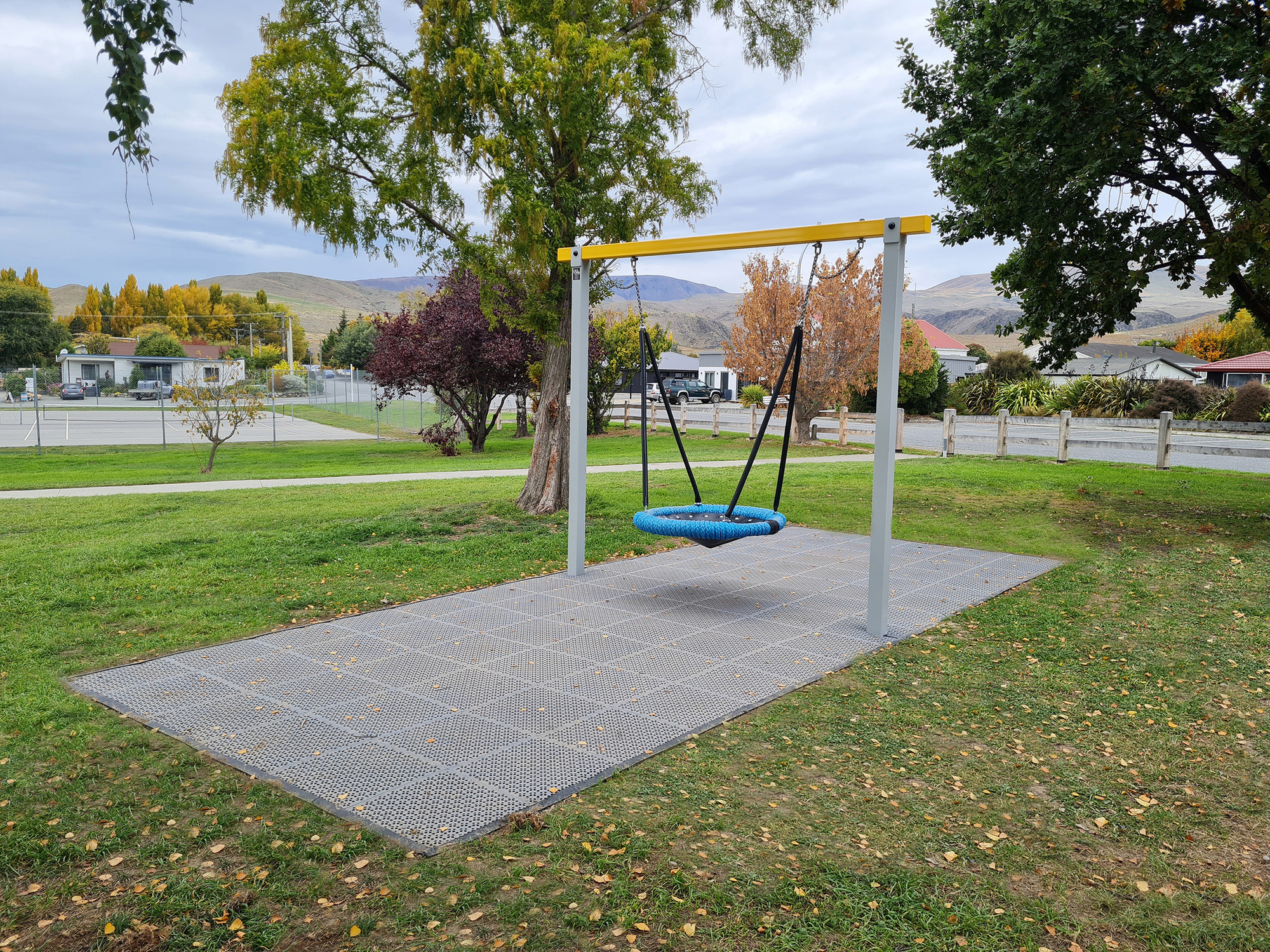
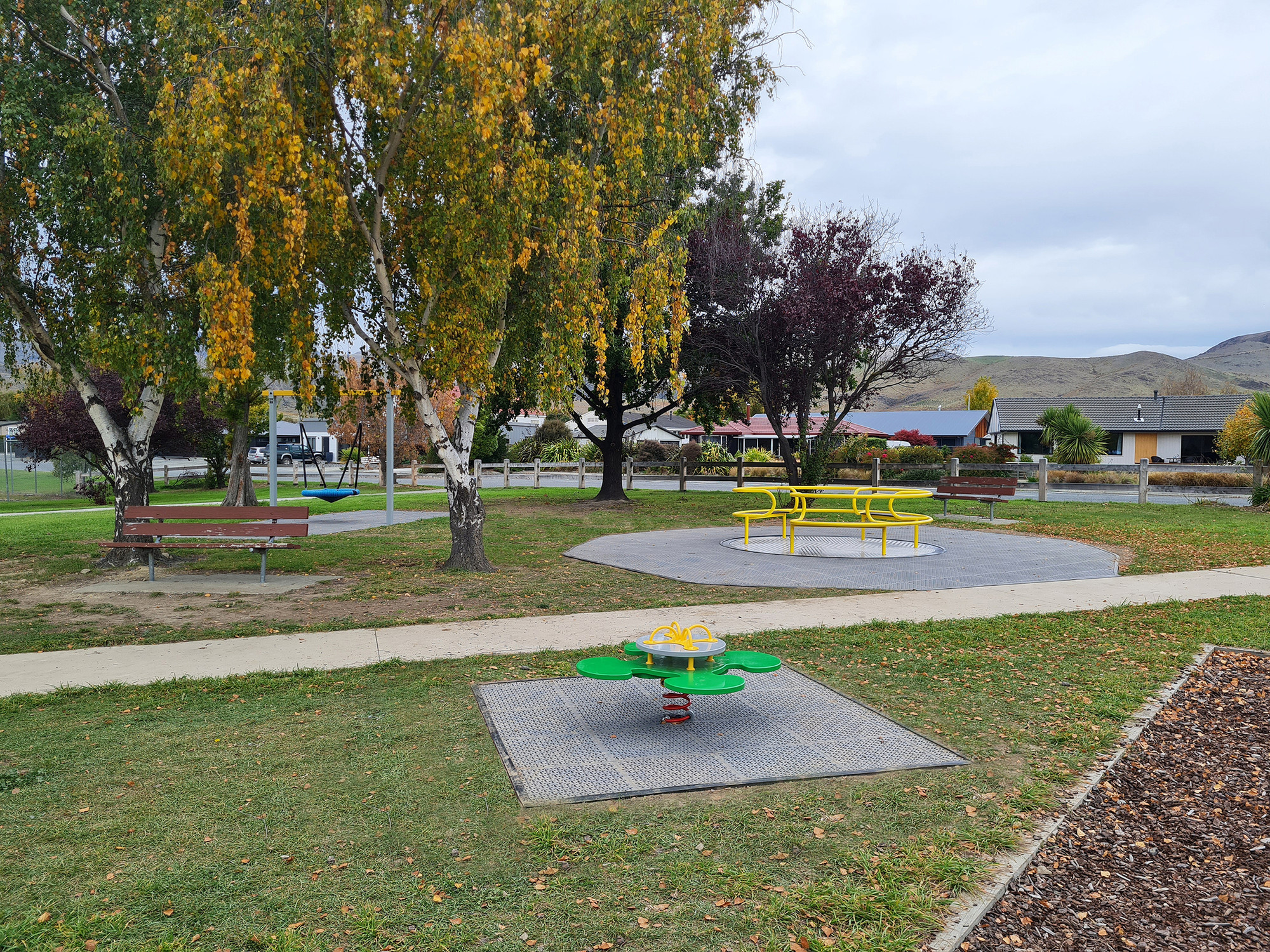
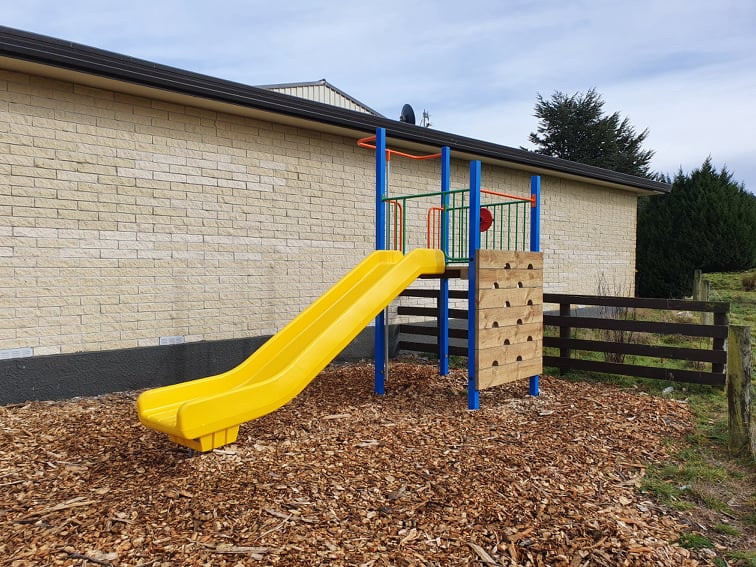
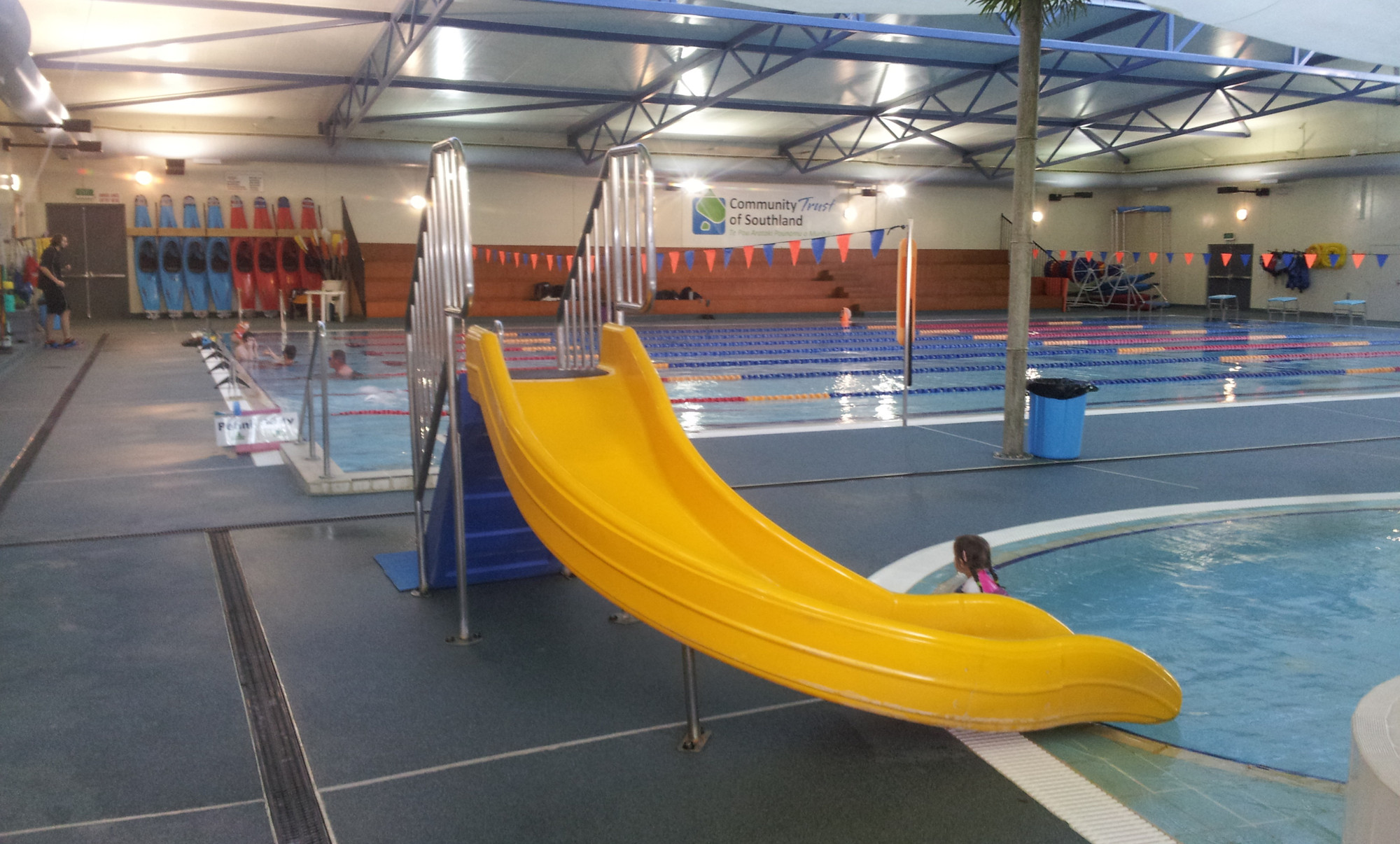
Variety of Play Equipment: To cater to diverse interests and developmental needs, council playgrounds often include a wide range of play equipment, such as swings, slides, climbing frames, merry-go-rounds, and interactive play panels.
Natural and Sustainable Elements: There's a growing trend towards integrating natural play elements, like wooden play structures, water play areas, and landscaped gardens, as well as sustainable practices in the construction and maintenance of playgrounds.
Community Spaces: Beyond play equipment, these playgrounds may offer amenities like picnic areas, benches, public toilets, and barbecue facilities, making them a destination for family and community gatherings.
Importance of Council Playgrounds
Fostering Community Ties: Council playgrounds serve as communal hubs where families from diverse backgrounds come together, fostering a sense of community and belonging.
Promoting Physical Health: By providing a space for active play, these playgrounds encourage physical health.
Supporting Child Development: Playgrounds offer essential opportunities for children to develop physically, socially, emotionally, and cognitively outside of formal educational settings.
Enhancing Quality of Life: Access to quality recreational spaces, including playgrounds, is linked to improved mental health, happiness, and overall quality of life for community members.
Challenges and Solutions
Funding and Maintenance: Maintaining playgrounds can be costly, but regular maintenance is crucial for safety and longevity. Councils often allocate specific budgets for this purpose and may seek grants or community support for larger projects.
Engaging Diverse Users: To ensure playgrounds meet the needs of a diverse population, councils may engage in community consultation processes during the planning and design phases.
Adapting to Change: As community needs and expectations evolve, council playgrounds must adapt, potentially requiring upgrades or redesigns to incorporate new play technologies or to better serve the community.
Council playgrounds are more than just play areas; they are vital community assets that enhance the livability of urban and suburban areas, support child development, and foster community engagement and social cohesion. By investing in these spaces, councils demonstrate a commitment to the well-being and development of their youngest residents and the community as a whole.