Early Childhood Playgrounds
At PlayGear by Otago Engineering we believe the importance of playgrounds in early childhood cannot be overstated, as these spaces are crucial for the holistic development of young children. Beyond providing a venue for physical activity, playgrounds serve as dynamic environments where children learn social skills, develop emotional resilience, and engage in critical thinking through play. They offer unique opportunities for children to explore their abilities, face and overcome challenges, and learn to take calculated risks, all of which are essential for building confidence and independence. The sensory experiences found in playground settings - such as the feel of different textures, the sounds of nature, and the visual stimulation of colorful equipment - play a significant role in sensory development. Furthermore, early childhood playgrounds foster inclusivity, teaching children the values of diversity and cooperation as they play and interact with peers of varying abilities and backgrounds. In essence, playgrounds are not merely places to play; they are foundational to nurturing well-rounded individuals, equipping them with the physical, cognitive, and social skills necessary for healthy development.
Design Considerations for Early Childhood Playgrounds
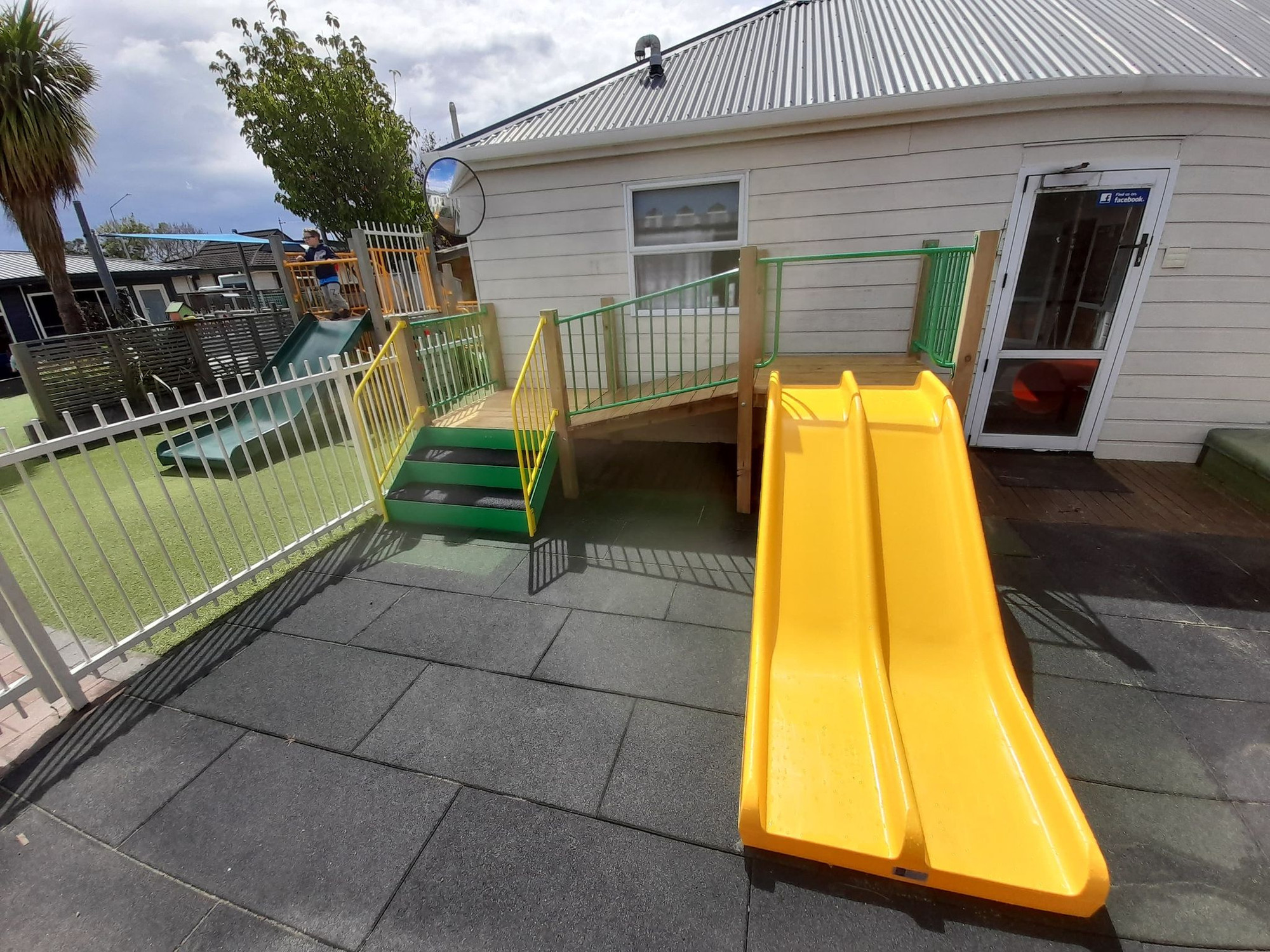
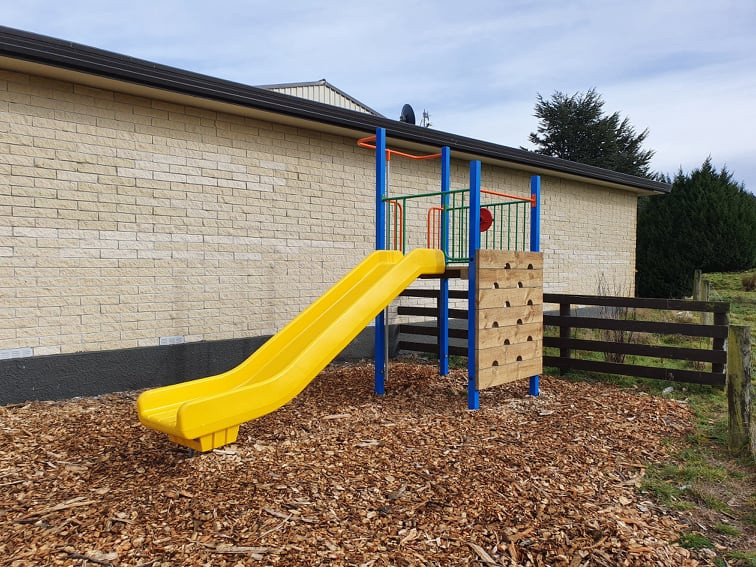
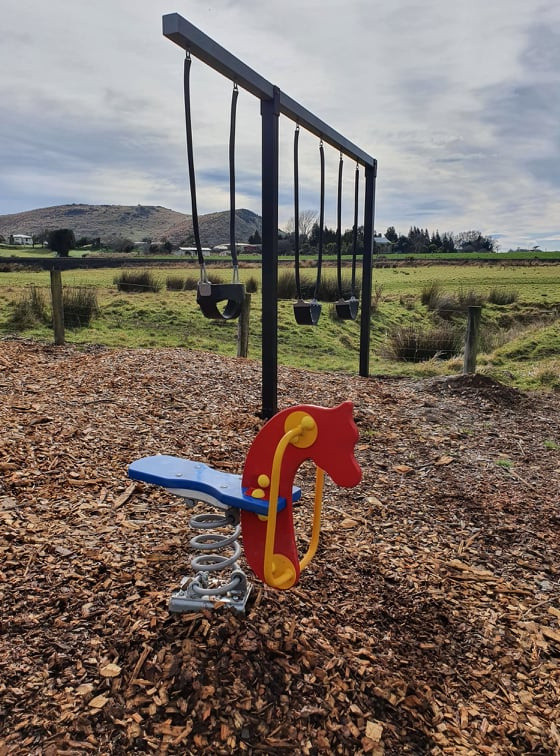
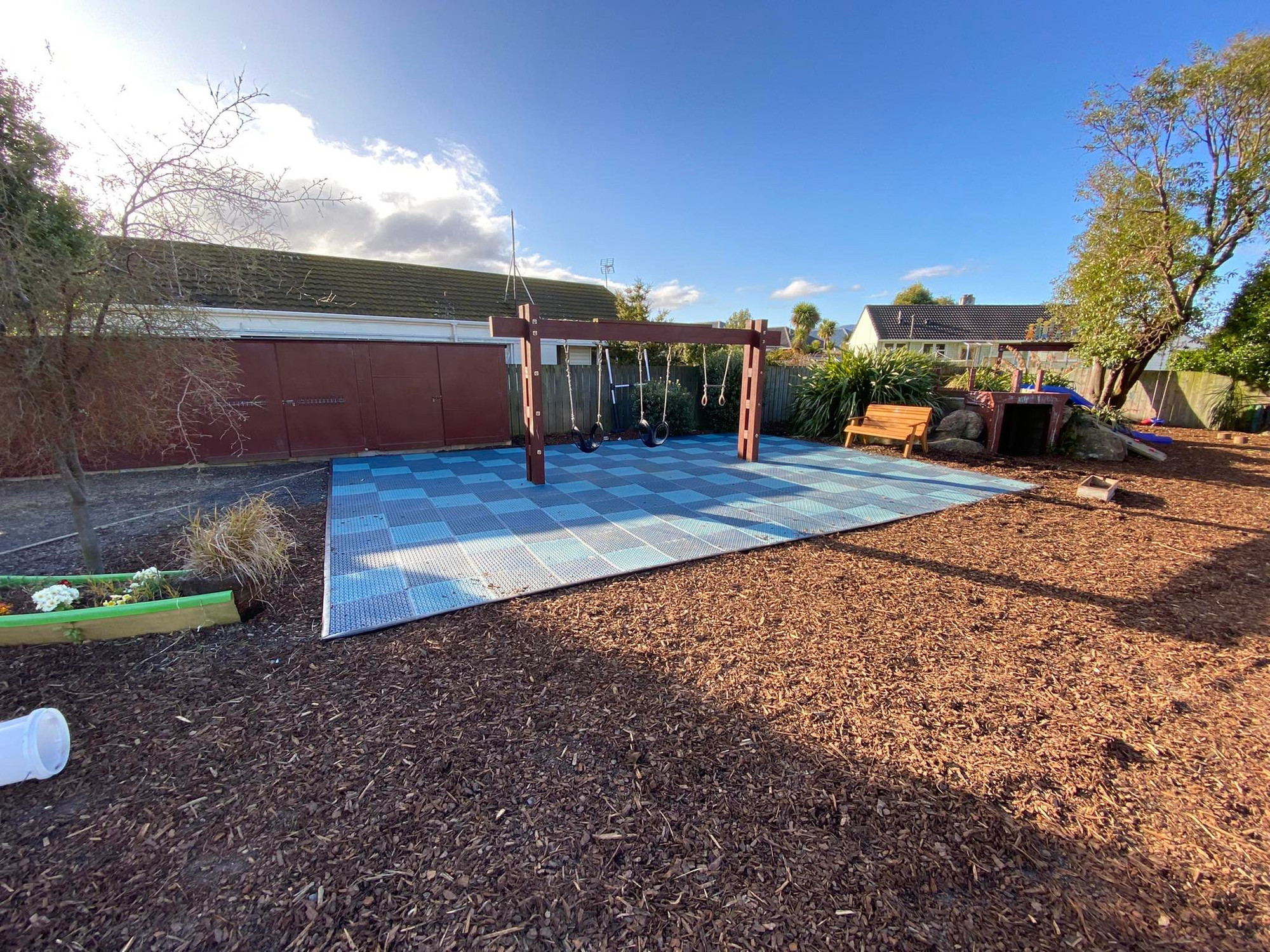
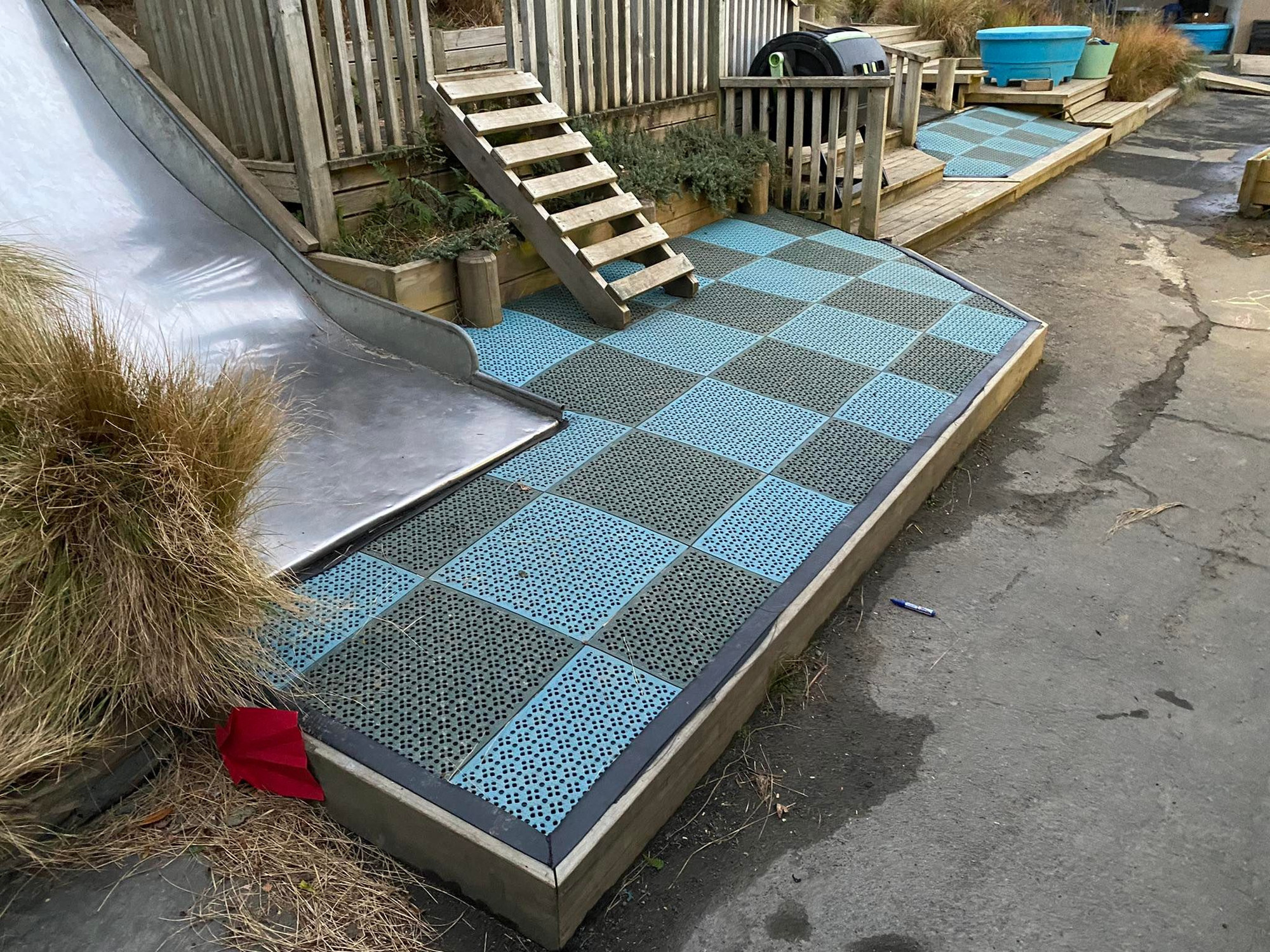
Safety First: Equipment and surfacing must meet stringent safety standards to minimize the risk of injuries. This includes using soft landing materials, ensuring equipment is low to the ground, and avoiding sharp edges or entrapment hazards.
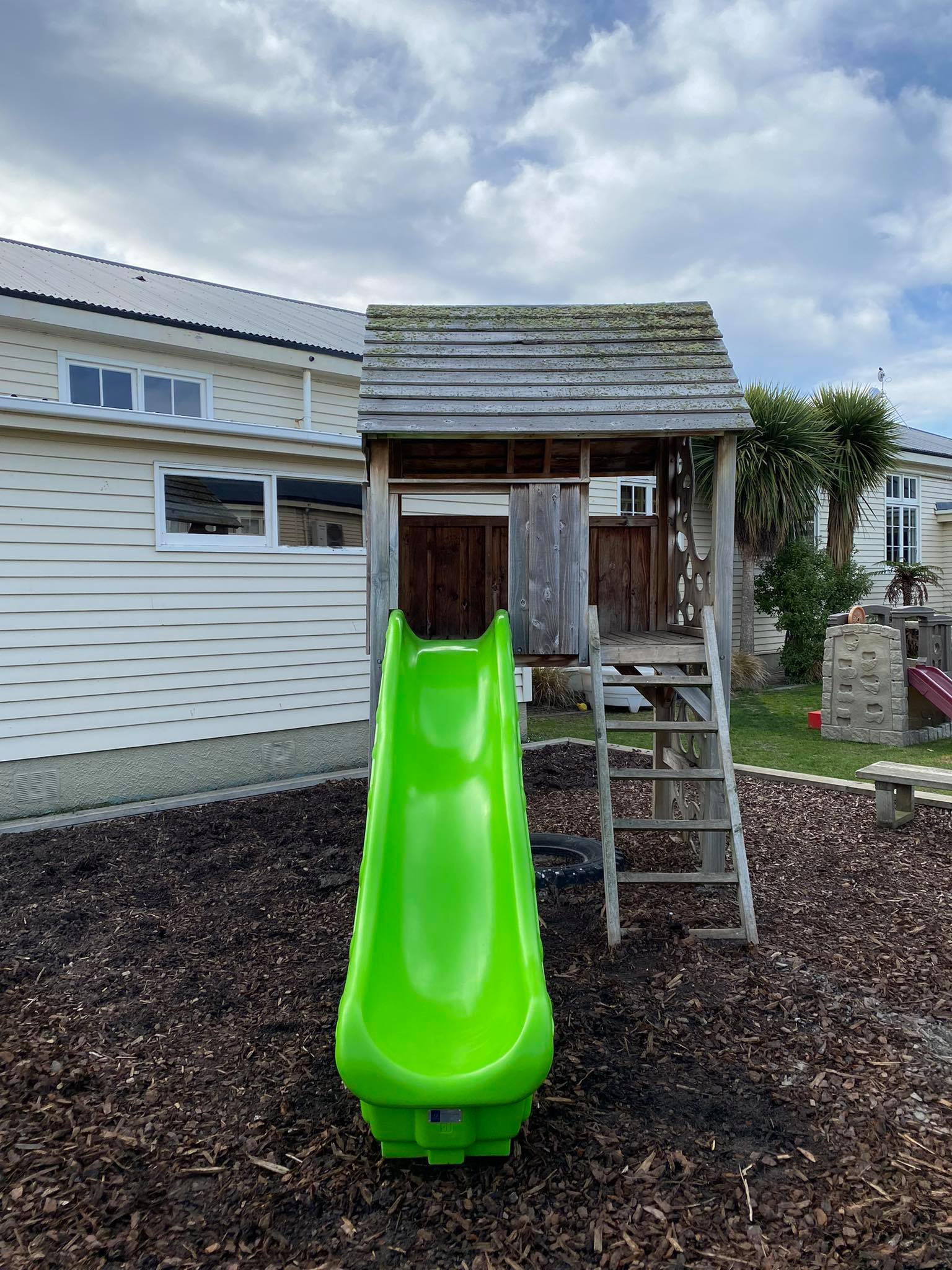
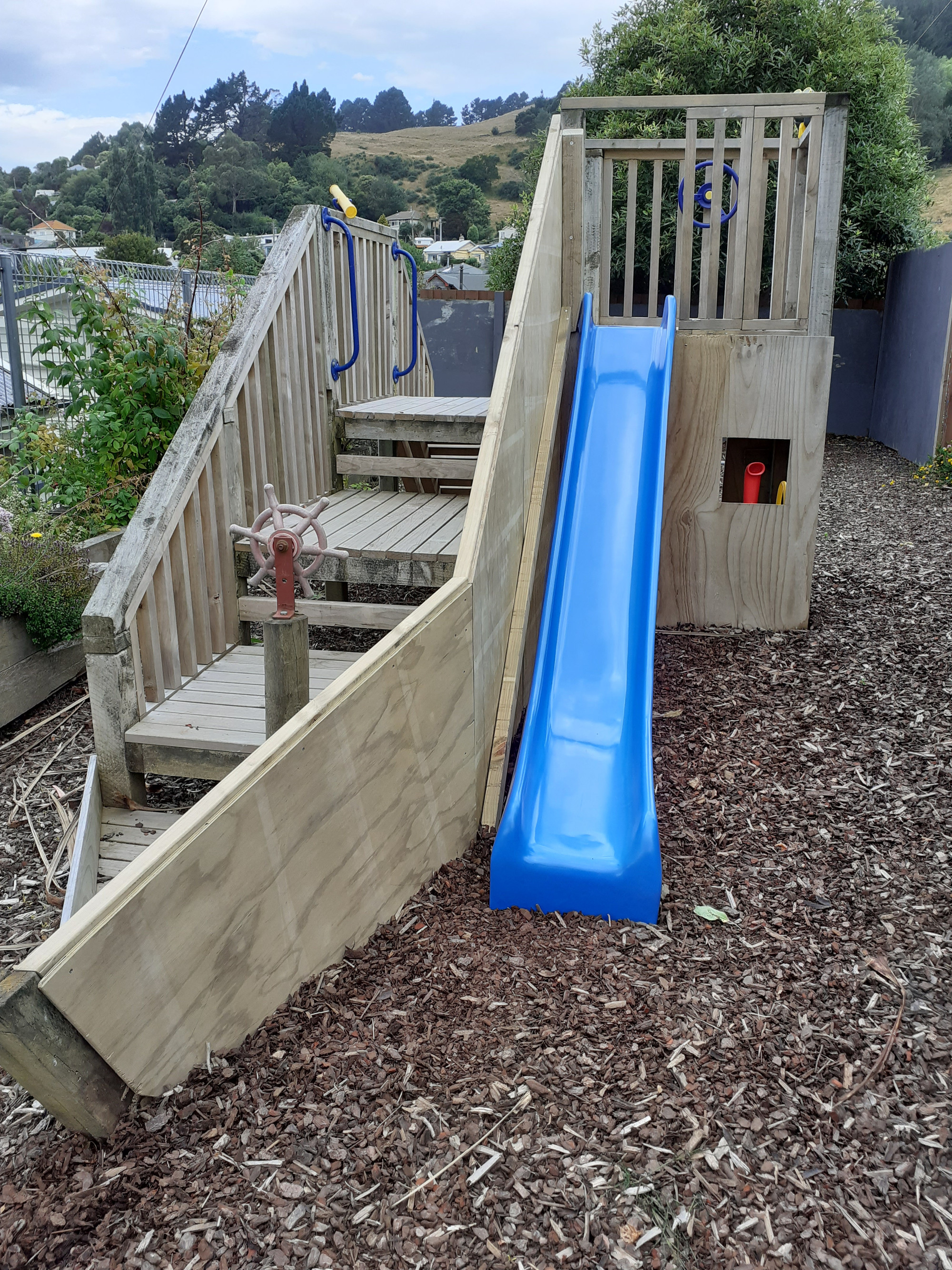
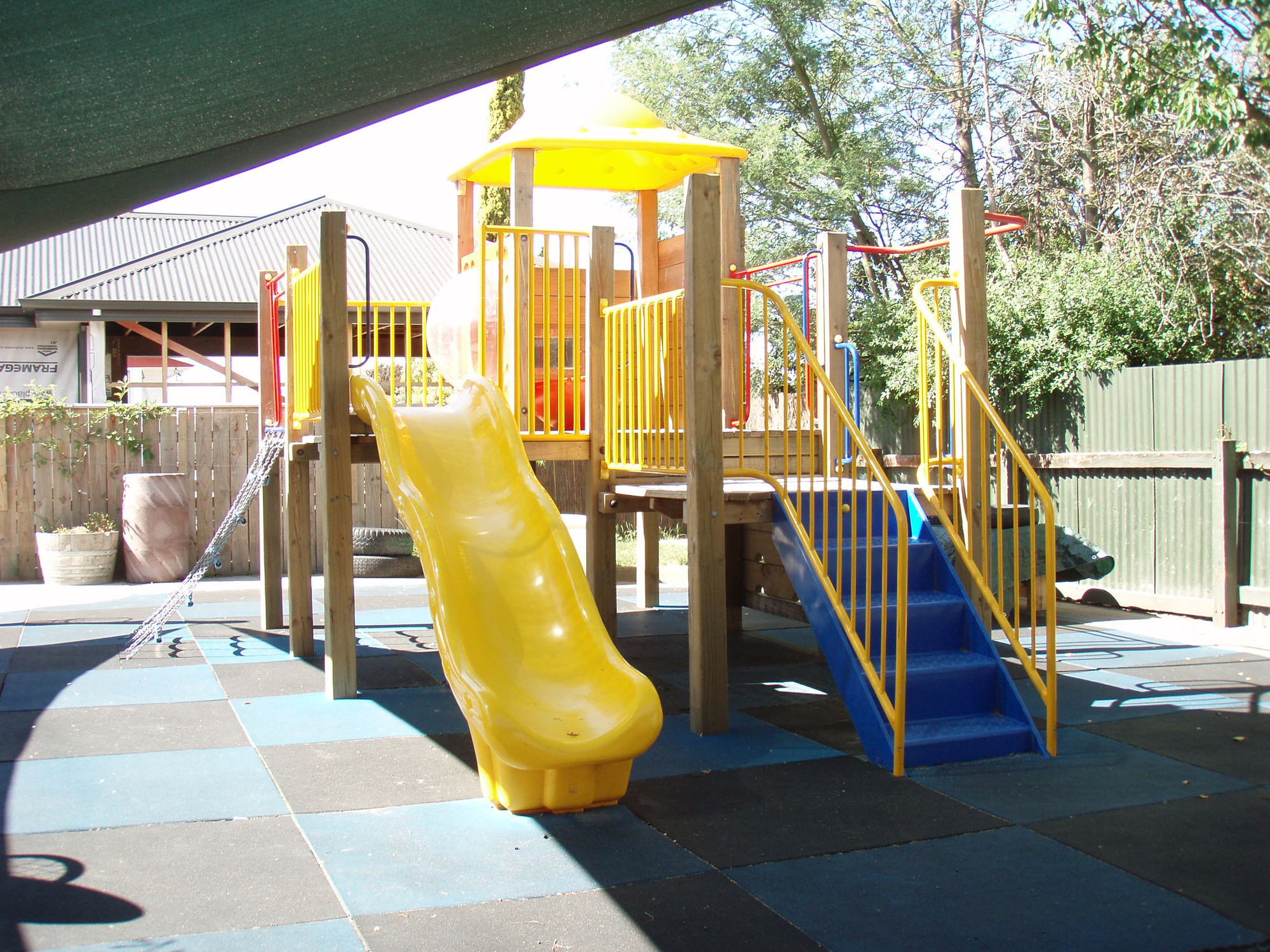
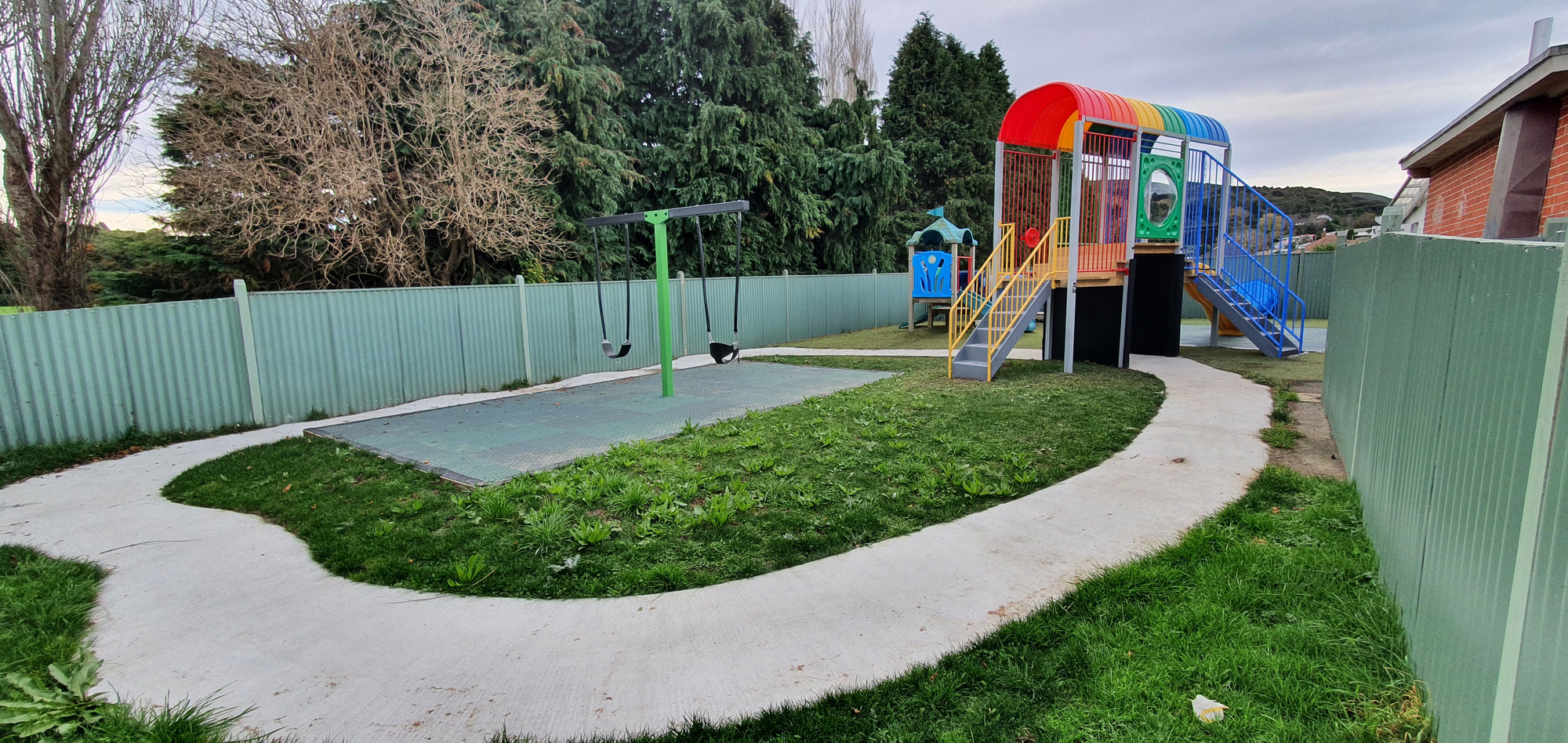
Age-Appropriate Design: Play structures should cater to the motor skills and abilities of young children, with features like small steps, low platforms, and gentle slides. Equipment should encourage physical activities that support gross motor skill development without being overly challenging.
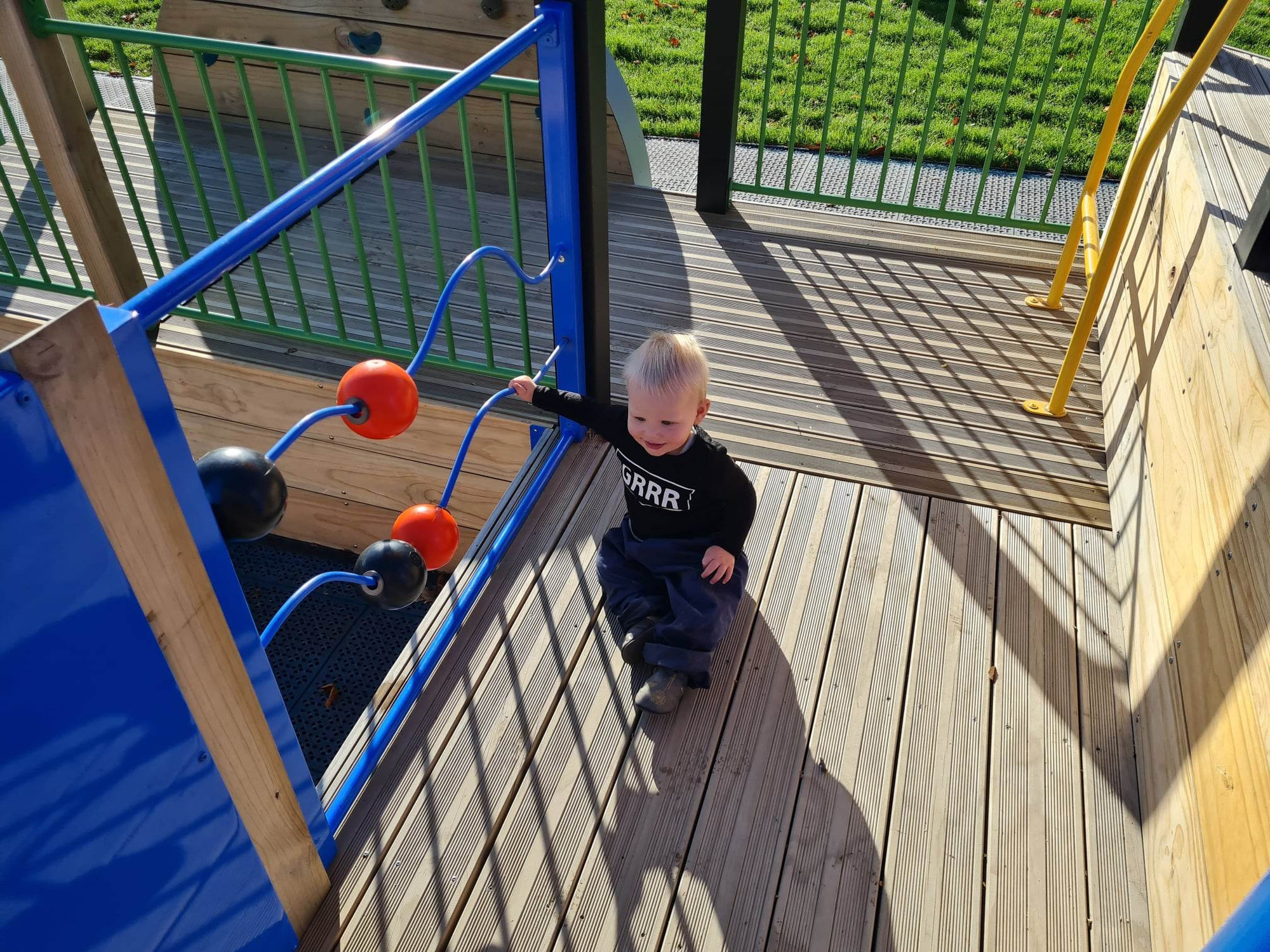
Sensory Play Areas: Incorporating elements that stimulate the senses - such as sandboxes, water play stations, tactile panels, and musical instruments - can enhance sensory development and encourage exploration and discovery.
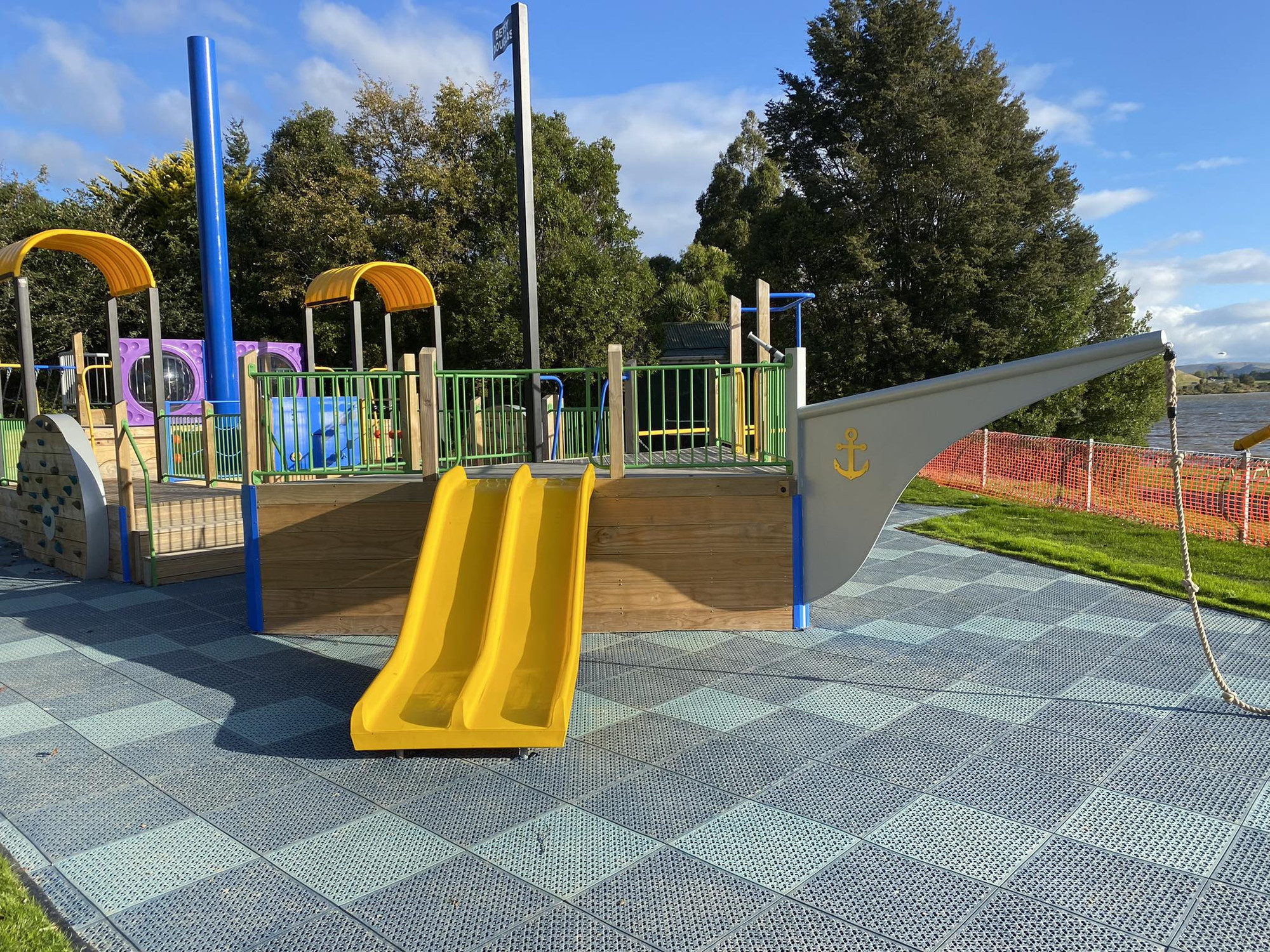
Imaginative Play Spaces: Areas designed to spark imagination, like playhouses, themed playgrounds (e.g. castles, ships, animal shapes), and simple props, support creative play and social interaction.
Natural Elements: Including natural features like trees, plants, rocks, and logs can encourage interaction with the natural environment, supporting both physical activity and a connection with nature.
Inclusive and Accessible: Playgrounds should be accessible to children of all abilities, including those with physical, sensory, or cognitive challenges. Inclusive design ensures every child can participate in play, promoting social inclusion and empathy from an early age.
Benefits of Early Childhood Playgrounds
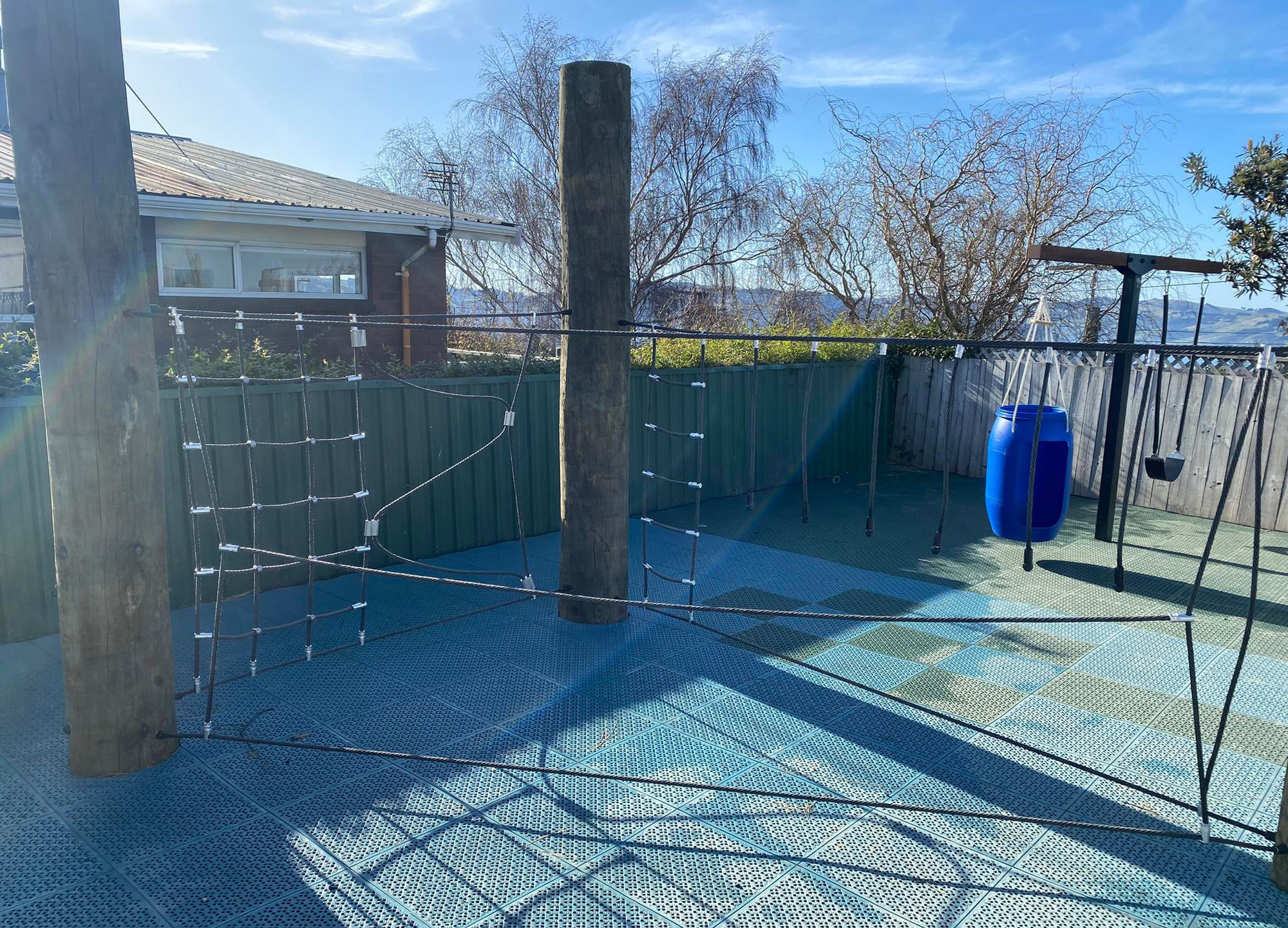
Physical Development: Climbing, jumping, swinging, and other physical activities help develop strength, coordination, and balance.
Cognitive Development: Playgrounds offer numerous opportunities for problem-solving, exploration, and learning through play, which are crucial for cognitive development.
Language and Social Skills: Interacting with peers in play settings fosters communication, cooperation, and negotiation skills, essential for social development.
Emotional Well-being: Play allows children to express themselves, build confidence, and manage emotions, contributing to their emotional health.
Challenges in Designing Early Childhood Playgrounds
Balancing Safety and Challenge: Finding the right balance between creating a safe environment and offering challenges that encourage development can be tricky. Overly cautious designs might limit opportunities for growth, while too much challenge could increase the risk of injury.
Budget Constraints: High-quality, durable playground equipment and safety surfacing can be expensive. Budget constraints may limit the scope of playground projects.
Space Limitations: Especially in urban areas, the available space for playgrounds may be limited, requiring creative design solutions to maximize play value.
Early childhood playgrounds are more than just play spaces; they are crucial environments for developmental learning and growth. By carefully considering the design and inclusion of various play elements, communities and educational institutions can create enriching playgrounds that support the comprehensive development of young children. Ensuring these playgrounds are safe, engaging, and accessible for all children allows them to explore, learn, and grow in a supportive environment.